How Gas Compression is Fuelling the Green Hydrogen Revolution
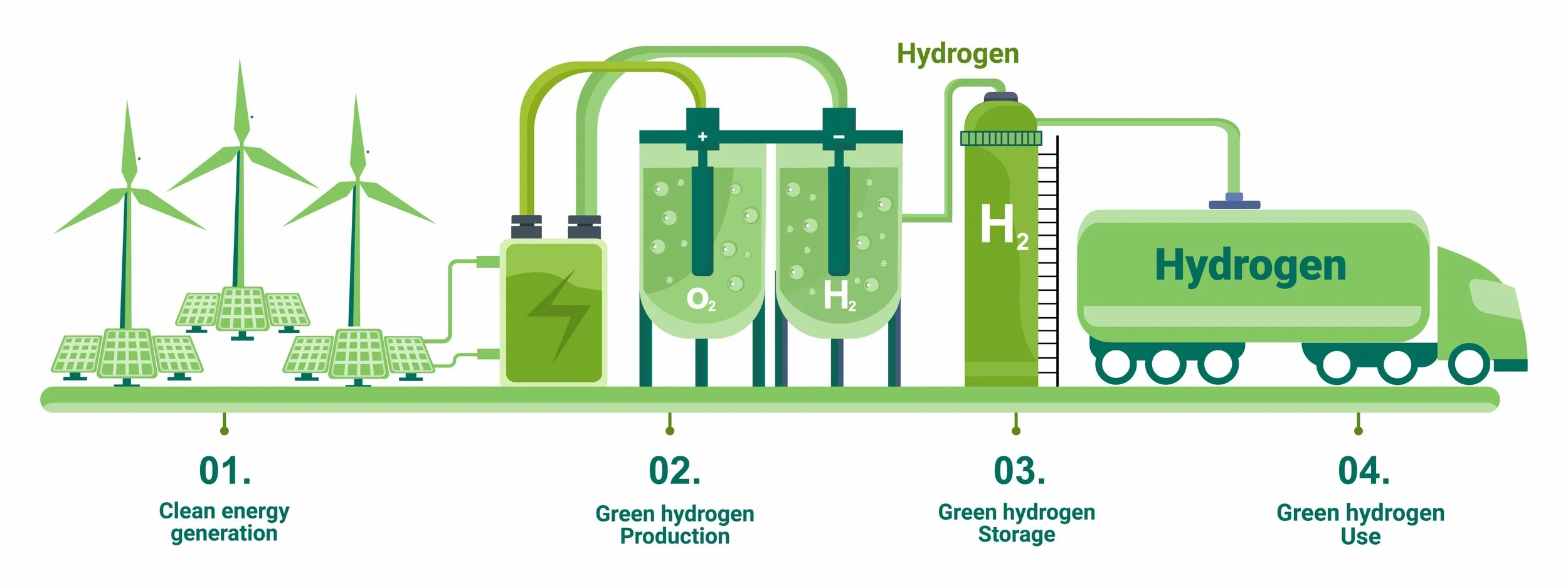
The world is transitioning towards a greener future, and hydrogen is emerging as a promising clean energy source. However, for hydrogen to truly revolutionize our energy landscape, efficient and cost-effective storage and transportation are paramount. This is where gas compression technology plays a crucial role.
Understanding Gas Compression
Gas compression is the process of reducing the volume of a gas while increasing its pressure. This technology is essential for various applications, including oil and gas production, natural gas pipelines, refrigeration systems, and, increasingly, the storage and transportation of hydrogen.
The Role of Gas Compression in the Hydrogen Economy
Hydrogen Storage: Hydrogen can be stored at high pressures in specialized tanks. Gas compression technology enables the efficient storage of hydrogen in a compact form, making it suitable for various applications such as fuel cell vehicles, grid-scale energy storage, and industrial processes.
Hydrogen Transportation: Gas compression is vital for transporting hydrogen over long distances. By compressing hydrogen to high pressures, it can be transported in pipelines or cylinders, reducing the overall volume and cost of transportation.
Hydrogen Fuelling Infrastructure: Gas compression technology is essential for developing a robust infrastructure for hydrogen refuelling stations. High-pressure compressors are used to fill hydrogen tanks in vehicles quickly and efficiently, making hydrogen a viable alternative to fossil fuels.
Challenges and Innovations
While gas compression technology offers significant advantages for the hydrogen economy, there are several challenges to overcome:
Energy Efficiency: Compressing hydrogen requires significant energy input. Researchers and engineers are developing more energy-efficient compression technologies to reduce the overall carbon footprint of hydrogen production and utilization.
Material Compatibility: Hydrogen can be corrosive to certain materials, especially at high pressures. Developing materials that are both durable and compatible with hydrogen is essential for ensuring the long-term reliability of gas compression systems.
Cost Reduction: Reducing the cost of gas compression is crucial for making hydrogen a more competitive energy source. Innovations in compressor design and materials can help to lower costs and improve the economic viability of hydrogen projects.
As the world transitions towards a cleaner energy future, gas compression technology will play a vital role in supporting the growth of the hydrogen economy. By enabling efficient storage, transportation, and fuelling of hydrogen, gas compression will help to unlock the full potential of this clean energy source. As research and development continue, we can expect to see further advancements in gas compression technology that will drive the adoption of hydrogen as a sustainable and reliable energy solution.