The Challenge of Low Suction Pressure Operation of Centrifugal Compressors
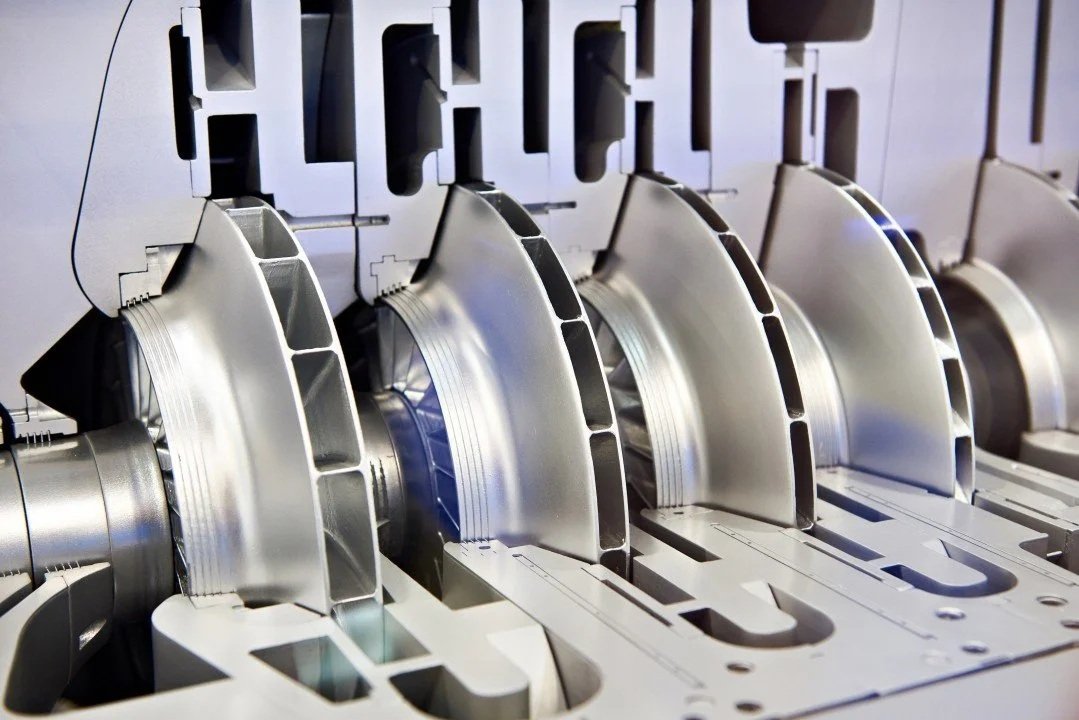
Centrifugal compressors are vital components in various industrial applications in the oil and energy industry, including petrochemicals, refineries, natural gas processing and power generation. They play a critical role in raising the pressure of gases, making them ideal for high-pressure applications. However, these machines encounter significant challenges when operating at low suction pressures. In this post, we will delve into the intricacies of low suction pressure operation of centrifugal compressors and understand the potential obstacles operators could face.
Understanding Centrifugal Compressors
Before delving into the challenges, it's essential to have a basic understanding of how centrifugal compressors function. These machines work on the principle of kinetic energy conversion. As the gas enters the impeller, the rotating blades accelerate it, converting its kinetic energy into pressure energy. This compressed gas is then delivered to the discharge side at higher pressures.
The Impact of Low Suction Pressure
While centrifugal compressors are engineered to handle various operating conditions, low suction pressure can be particularly problematic. This kind of operation can lead to various factors:
Reduced Compressor Performance: Centrifugal compressors are designed to operate within a specific range of suction pressures. Operating below this range can lead to reduced performance, lower efficiency, and decreased flow rates. This can negatively impact the overall process and output.
Surge: Low suction pressure increases the likelihood of surge conditions. Surge occurs when the gas flow becomes unstable, causing pressure fluctuations and potential damage to the compressor.
Overheating and Mechanical Stress: Operating at low suction pressures can cause overheating of the compressor due to increased gas temperatures. Additionally, the compressor may experience higher mechanical stress, potentially leading to premature wear and tear.
The Impact of High Discharge Temperatures on Centrifugal Compressors
Discharge temperature is a critical parameter in centrifugal compressor operation. When gas is compressed, its temperature rises significantly due to the work done on it. Elevated discharge temperatures can lead to a variety of issues that can affect both the compressor and the entire system it serves.
The following are the effects of high discharge temperatures on centrifugal compressors:
Reduced Efficiency: High discharge temperatures can cause a decrease in compressor efficiency. As the gas temperature rises, the density decreases, leading to a lower mass flow rate and higher power consumption to achieve the desired discharge pressure.
Potential Compressor Damage: Excessive temperatures can subject compressor components to thermal stresses beyond their design limits, leading to material fatigue, deformation, and potential failure. This can result in costly downtime, repairs, and safety hazards.
Reduced Reliability: High discharge temperatures can lead to reduced compressor reliability. Elevated temperatures may accelerate the degradation of lubricants and seals, causing increased wear and potential leakage issues.
Loss of Performance: Centrifugal compressors are designed to operate within specific temperature ranges. When the discharge temperature exceeds these limits, it can significantly affect the compressor's performance and compromise its ability to deliver the desired flow and pressure ratios.
In summary, centrifugal compressors are indispensable for various industries, but they face formidable challenges during low suction pressure operation. The potential risks of reduced performance, surge, and overheating necessitate careful consideration during the design phase and responsible operational practices.
High discharge temperatures can pose significant challenges for centrifugal compressors, affecting their efficiency, reliability, and overall performance. Proper design considerations, advanced cooling systems, and vigilant maintenance practices are crucial for ensuring the compressor's longevity and safe operation. By implementing effective mitigation strategies, operators can maximize the efficiency and reliability of centrifugal compressors while safeguarding the entire system they serve.