The Impact of High Discharge Temperatures on Centrifugal Compressors
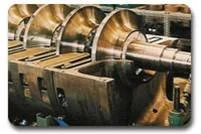
Centrifugal compressors are vital components in various industrial applications, ranging from gas pipelines and petrochemical plants to refrigeration and air conditioning systems. They are critical equipment in the oil and gas industry in which we serve. Their efficiency and reliability play a crucial role in ensuring smooth operations and cost-effectiveness. However, these compressors can face significant challenges when exposed to high discharge temperatures. In this article, we will explore the effects of elevated discharge temperatures on centrifugal compressors and the measures that can be taken to mitigate their impact.
Understanding Centrifugal Compressors
Before diving into the effects of high discharge temperatures, let's briefly review how centrifugal compressors function. A centrifugal compressor is a dynamic device that uses an impeller to accelerate gas or vapor to a high velocity. This kinetic energy is then converted into pressure energy as the gas passes through the static channels. The compressed gas is then discharged through the outlet.
Importance of Discharge Temperatures
Discharge temperature is a crucial parameter in the operation of centrifugal compressors. When gas is compressed, its temperature rises significantly due to the work done on it. Elevated discharge temperatures can lead to a variety of issues that can affect both the compressor and the entire system it serves.
Effects of High Discharge Temperatures
Reduced Efficiency: High discharge temperatures can cause a decrease in compressor efficiency. As the gas temperature rises, the density decreases, leading to a lower mass flow rate and higher power consumption to achieve the desired discharge pressure.
Potential Compressor Damage: Excessive temperatures can subject compressor components to thermal stresses beyond their design limits, leading to material fatigue, deformation, and potential failure. This can result in costly downtime, repairs, and safety hazards.
Reduced Reliability: High discharge temperatures can lead to reduced compressor reliability. Elevated temperatures may accelerate the degradation of lubricants and seals, causing increased wear and potential leakage issues.
Loss of Performance: Centrifugal compressors are designed to operate within specific temperature ranges. When the discharge temperature exceeds these limits, it can significantly affect the compressor's performance and compromise its ability to deliver the desired flow and pressure ratios.
Mitigation Strategies
To protect centrifugal compressors from the adverse effects of high discharge temperatures, several mitigation strategies can be implemented:
Intercooling and Aftercooling: Installing intercoolers or aftercoolers can reduce the gas temperature between compressor stages or after the compression process, respectively. This helps decrease the discharge temperature and improves overall compressor efficiency.
Enhanced Cooling Systems: Upgrading the compressor's cooling system can efficiently dissipate heat and maintain acceptable discharge temperatures. This may involve using advanced cooling technologies or increasing the cooling capacity.
Compressor Material and Coatings: Using materials and coatings that can withstand higher temperatures can enhance the compressor's durability and longevity, even under challenging operating conditions.
Optimal Maintenance and Monitoring: Regular maintenance and condition monitoring are essential to detect and address potential issues early on. This can prevent minor problems from escalating and ensure that the compressor operates within safe temperature limits.
Conclusion
High discharge temperatures can pose significant challenges for centrifugal compressors, affecting their efficiency, reliability, and overall performance. Proper design considerations, advanced cooling systems, and vigilant maintenance practices are crucial for ensuring the compressor's longevity and safe operation. By implementing effective mitigation strategies, operators can maximize the efficiency and reliability of centrifugal compressors while safeguarding the entire system they serve.